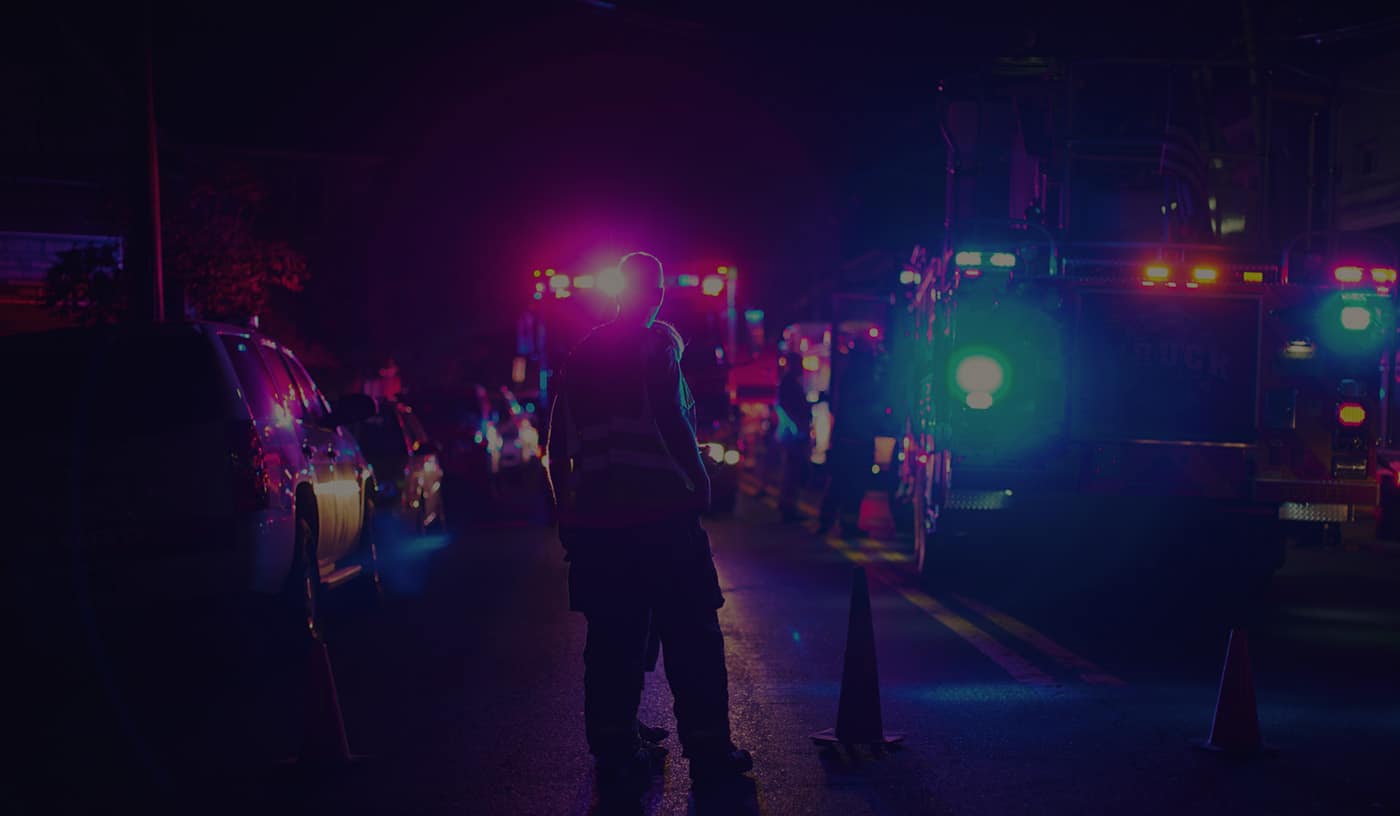
A night out with friends should be a chance for you to unwind and let loose. Yet research shows that individuals who stay out longer and visit more venues during a night out are significantly more likely to experience violence, especially in busy nightlife districts where alcohol, crowding, and low lighting heighten risk (Zahnow et al., 2022).
These findings show how crucial proper security is in bars and nightclubs, because a single lapse can have life-altering consequences.
When owners fail to implement basic safety measures like trained security staff, working cameras, and adequate lighting, they may be held legally responsible under negligent security laws. In this article, we’ll explain how to gather evidence, demonstrate foreseeability, and build a strong case for accountability and recovery.
Negligent security falls under premises liability law, which holds property owners responsible for maintaining safe conditions. Bars and nightclubs attract large crowds, serve alcohol, and stay open late into the night, all of which are factors that increase the risk of criminal activity.
Because owners know these risks exist, they must take reasonable steps to protect patrons from harm.
Reasonable security measures vary depending on the venue’s size, location, and history. A small neighborhood bar may need fewer precautions than a large downtown nightclub with a capacity of several hundred people.
However, all establishments should provide certain basic protections:
When owners skip these basic precautions, they create an environment where assaults, fights, and robberies become more likely.
Building your case starts with documenting what security measures were missing or inadequate. You need to show that the establishment fell below the standard of care that a reasonable business owner would maintain.
Look for evidence of insufficient staffing and poor management:
Physical security failures are equally important:
Collecting evidence involves taking photos of these conditions when possible and requesting copies of surveillance footage before it gets deleted. Witness statements from other patrons or staff members who observed the inadequate security can strengthen your claim.
If the venue has a history of similar incidents, public records and news reports may reveal a pattern of negligence.
Foreseeability means the owner should have anticipated that harm could occur based on past events or known risks. You need to prove that the establishment had warning signs that violence or criminal activity was likely. The more evidence you can show that danger was predictable, the stronger your case becomes.
Several factors can establish that the venue should have expected trouble:
The combination of alcohol, crowds, and late hours makes bars and nightclubs inherently risky. This means owners must take extra precautions to protect guests from predictable dangers.
Proving causation means showing that the inadequate security directly led to your harm. This requires demonstrating that proper precautions would have prevented the incident or reduced its severity.
Consider these scenarios where security failures directly caused injuries:
Strong cases rely on documentation that proves both the inadequate security and the resulting harm. Multiple types of evidence work together to build a compelling case.
Gather as much of the following documentation as possible:
Establishments can face liability when their employees contribute to dangerous conditions through their actions or inaction. The behavior of staff members directly affects patron safety.
Venues can be held responsible for several forms of employee negligence:
Some states have “dram shop” laws that hold alcohol-serving establishments responsible for injuries caused by intoxicated patrons. California’s version focuses primarily on serving minors.
However, venues can still face negligence claims if their failure to monitor alcohol consumption led to foreseeable harm. When staff continues pouring drinks for visibly drunk patrons, they increase the risk of violence.
Negligent security claims can result in several forms of compensation depending on the severity of your injuries and their impact on your life.
These cover tangible financial losses:
These address the emotional and psychological harm:
In cases where the establishment showed extreme disregard for patron safety, courts may award additional compensation. These apply when management repeatedly ignored known hazards, dismissed previous complaints, or deliberately cut security measures to save money. Punitive damages discourage other businesses from similar negligence.
An experienced personal injury attorney can evaluate your specific situation and calculate the full value of your claim. Many victims underestimate what they deserve because they only consider immediate medical costs.
These cases frequently involve multiple parties who may share responsibility for your injuries. Determining liability requires understanding the relationships and contracts between various entities.
Several entities might share responsibility:
Sorting through these relationships requires understanding who had the duty to provide adequate security and who failed to fulfill that responsibility.
Additional challenges make these cases particularly difficult:
A skilled attorney can investigate all potentially liable parties and build a case that holds each one accountable for their failures. They know how to obtain evidence before it disappears and negotiate with insurance companies that try to minimize payouts.
Taking the right steps immediately after an incident can protect both your health and your legal rights. Each action strengthens your potential claim.
Follow these guidelines to document your case properly:
Protect your claim by being careful about communication:
Contact a negligent security lawyer for a case evaluation as soon as possible. Early legal involvement helps preserve evidence, identify liable parties, and protect your rights throughout the process.
Every state has statutes of limitations that set deadlines for filing personal injury lawsuits. Missing these deadlines can cost you the right to pursue compensation entirely.
Understanding your deadline is critical:
Starting the legal process promptly offers several advantages:
An attorney can ensure you meet all deadlines and comply with procedural requirements specific to your jurisdiction.
If a night out left you injured because of poor security, you deserve answers and compensation for what you’ve endured. The physical pain, medical expenses, and emotional trauma of being assaulted or injured in a place meant to be safe can feel overwhelming. You shouldn’t have to face these challenges alone or accept that nothing can be done.
The team at Thompson Law has extensive experience handling negligent security cases involving bars, nightclubs, and entertainment venues.
We understand how to investigate these complex situations, identify all responsible parties, and build cases that hold negligent establishments accountable. Our attorneys can review the evidence, establish liability, and pursue the full compensation you need to recover.
Contact Thompson Law today for a FREE CONSULTATION. We work on contingency fees, which means you pay nothing unless we win your case. Taking legal action helps you recover and encourages venues to take safety seriously to protect future patrons. Don’t let inadequate security rob you of justice, reach out now to discuss your rights and options.





Thompson Law charges NO FEE unless we obtain a settlement for your case. We’ve put over $2.1 billion in cash settlements in our clients’ pockets. Contact us today for a free, no-obligation consultation to discuss your accident, get your questions answered, and understand your legal options.
State law limits the time you have to file a claim after an injury accident, so call today.