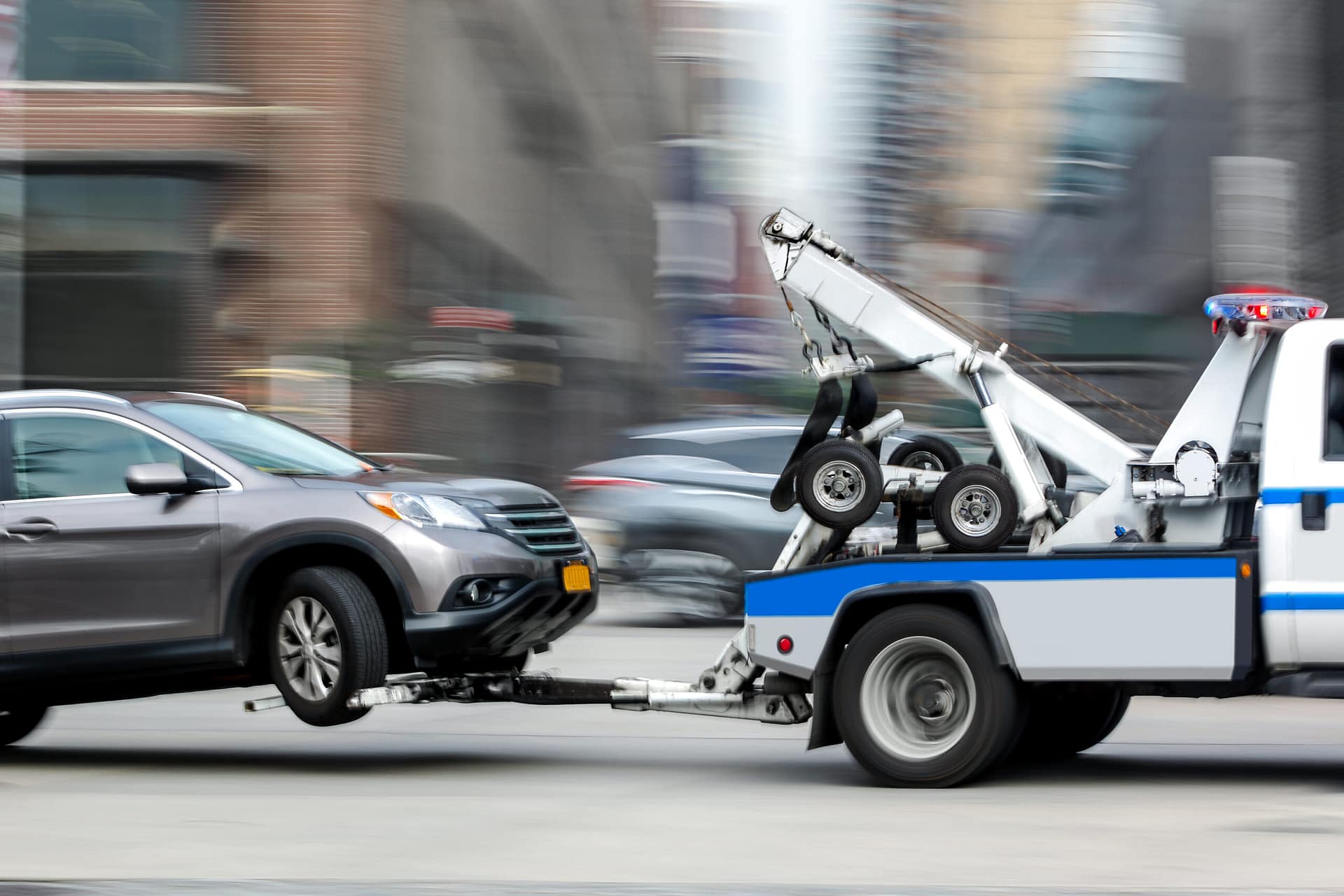
Coming back to where you parked only to discover your vehicle has vanished triggers an immediate wave of panic and frustration.
Across America, approximately 55,000 vehicles get towed every single day, and Texas accounts for a significant portion of these incidents. With the average vehicle age in the United States now reaching 12.1 years, older cars are increasingly vulnerable to mechanical failures, unpaid violations, and subsequent towing situations.
Locating your towed vehicle in Texas quickly saves you time, money, and unnecessary stress. This guide walks you through every step of the process, from identifying why your car was towed to recovering it from a vehicle storage facility (VSF). You’ll also learn about your legal rights, maximum allowable fees for 2026, and how to challenge an improper tow.

Texas property owners and law enforcement agencies have legal authority to remove vehicles under specific circumstances.
Private property tows represent the majority of non-law enforcement vehicle removals in Texas. A private property tow occurs when a vehicle is parked on private land without the owner’s permission. Property owners must follow strict regulations, including posting visible signs that clearly state towing policies.
Tow-away zones are clearly marked areas where parking is prohibited at certain times or under specific conditions. These zones often appear near fire hydrants, emergency access routes, loading zones, and areas designated for permit holders only. Signs in these locations must meet Texas Department of Licensing and Regulation (TDLR) standards for size, placement, and information disclosure.
Parking without permission on private property gives the property owner the right to have your vehicle towed immediately. Common examples include:
Booting versus towing offers property owners two enforcement options. A boot is a metal device clamped to your wheel that immobilizes your vehicle without removing it from the property. Towing physically removes your vehicle to a storage facility. Property owners often choose booting for repeat offenders or in situations where immediate removal isn’t necessary. If your vehicle has been booted, you’ll see a bright warning sticker with contact information and payment instructions.
The authority of property owners in Texas is clearly defined by state law. They can authorize tows from their property as long as proper signage is posted and TDLR-licensed towing companies perform the work. However, this authority comes with limitations designed to protect vehicle owners from predatory practices.
Time is critical when your vehicle has been towed. Storage fees accrue daily, and you have limited time to contest an improper tow. Follow these steps in order to locate your vehicle as quickly as possible:
Look around the area where you parked for tow-away warning signs. Texas law requires these signs to be prominently displayed at all vehicle entrances to private property where unauthorized parking will result in towing.
Call the number listed on the sign immediately. These signs must include the towing company’s name, address, and 24-hour telephone number. When you call, provide your vehicle description, license plate number, and the location where you parked. The towing company can confirm whether they have your vehicle and direct you to the storage facility.
Signs must include specific information mandated by TDLR regulations. If signs are missing, incomplete, or don’t meet legal requirements, you may have grounds to challenge the tow at no cost.
Finding a boot on your wheel means your vehicle hasn’t been towed yet, giving you an opportunity to resolve the situation on-site.
Call the number on the warning sticker attached to your window or the boot itself. The booting company must provide immediate contact information and accept payment 24 hours a day, seven days a week. Payment typically includes the boot fee plus any outstanding parking violations.
Do not attempt to remove the boot yourself. Damaging or removing a boot without authorization is illegal in Texas and can result in criminal charges, additional fines, and liability for the cost of the boot. Professional booting devices can also damage your vehicle if removed improperly.
If you cannot find tow-away signs or the area doesn’t appear to be private property, your vehicle may have been towed by law enforcement.
Confirm whether your vehicle was towed due to an accident, arrest, or traffic violation by calling the local police department or sheriff’s office. Provide your license plate number and vehicle description. Law enforcement can tell you which towing company has your vehicle and why it was removed. Common reasons include DUI arrests, abandoned vehicles, blocking traffic, expired registration, or involvement in a crime.
Once you identify which towing company has your vehicle, contact the VSF directly to begin the recovery process.
Provide your license plate number to confirm they have your vehicle. The VSF will verify the vehicle’s location, required documents for release, and total fees owed. Write down the facility’s address, hours of operation, and any specific instructions for vehicle recovery.
Confirm what documents you need to bring before traveling to the facility. Having everything ready prevents multiple trips and additional storage charges. Most facilities require photo identification and proof of ownership or authorized vehicle use.
Catching a tow truck operator before they leave the scene gives you options that can save you significant money.
You have the right to release without paying anything if your vehicle is not fully secured to the tow truck. This means at least one wheel is still touching the ground or the vehicle hasn’t been completely lifted and secured.
No proof of ownership is required at this stage. Simply approach the operator and request your vehicle back. They must disconnect your vehicle immediately at no charge. However, you must act quickly because once the vehicle is fully hooked up, your rights change significantly.
Once your vehicle is fully secured but the tow truck hasn’t left the property, you must pay a drop fee to get your vehicle back without it going to storage.
The operator must accept payment via cash, credit card, or debit card. They cannot require cash only or refuse electronic payment methods. Get a receipt showing the date, time, payment amount, and reason for the charge.
2026 Maximum Drop Fees in Texas:
These are maximum amounts. Some companies charge less, but none can legally charge more without violating TDLR regulations.

Vehicle storage facilities must verify your identity and your right to take possession of the vehicle before releasing it. Gathering the required documents before you go prevents delays and additional storage days.
The VSF will ask for government-issued photo identification to verify your identity. Acceptable forms include:
Expired IDs may be rejected, so ensure your identification is current. The name on your ID should match the vehicle registration or other ownership documents when possible.
You must also prove you own the vehicle or have authorization to possess it. The VSF will accept any of the following:
If you’re not the registered owner, bring multiple forms of proof showing your authorized use of the vehicle. For example, if you’re picking up a family member’s car, bring your ID plus their insurance card and registration showing the same address.
Some facilities may require additional documentation for vehicles with liens or commercial vehicles. Call ahead to confirm exactly what you need.
Texas law caps the fees that towing companies and vehicle storage facilities can charge for private property tows. These maximum amounts are updated annually and apply statewide.
The initial towing charge covers removing your vehicle from private property and transporting it to the storage facility. Maximum allowable charges for 2026 are:
These rates apply regardless of distance towed or time of day. If you’re charged more than these amounts, file a complaint with TDLR immediately.
Storage fees begin accruing immediately after your vehicle arrives at the VSF. For 2026, maximum daily storage rates are:
These fees apply to each 24-hour period your vehicle remains in storage. The first day’s fee begins when the vehicle arrives, not when you’re notified.
Storage fee caps apply if the VSF fails to mail required notices within specified timeframes. If proper notice isn’t sent, storage fees may be capped at five days even if your vehicle remains there longer. This protection encourages VSFs to notify owners promptly.
Beyond towing and storage, VSFs can charge limited additional fees:
All fees must be itemized on your invoice. Request a detailed breakdown before paying.
Texas law specifically prohibits certain charges. Vehicle storage facilities cannot legally charge you for:
If you’re charged any prohibited fee, refuse to pay and document the violation for your TDLR complaint.
Texas law provides specific protections for vehicle owners dealing with VSFs.
You have the right to access personal property inside your vehicle without paying any fees. The VSF must allow you to retrieve items like wallets, phones, medications, child car seats, and work equipment during normal business hours. They can supervise your access but cannot deny it or charge for it.
You also have the right to access ownership documents needed to reclaim your vehicle. If your registration, insurance card, or title is inside the vehicle, the facility must let you retrieve these documents without payment.
The VSF must provide you with a copy of the tow ticket upon request. This document includes critical information about when and why your vehicle was towed, who authorized it, and the initial mileage. Keep this document for your records and any potential hearing.
Request a complete fee schedule at any time. The VSF must provide written documentation of all charges, including towing, storage, and any additional fees. This information should also be posted visibly at the facility entrance.
VSFs must make reasonable storage efforts to protect your vehicle from theft, vandalism, and weather damage. While they’re not responsible for all damage, they must provide secure, fenced storage with reasonable security measures. Document your vehicle’s condition with photos when you retrieve it.
Failing to claim your vehicle from a VSF triggers a specific legal process that can result in permanent loss of your vehicle.
The facility must send two required notices to the registered owner’s address on file with the DMV. The first notice typically arrives within a few days of towing. The second notice comes later and includes information about the impending vehicle sale.
Texas law requires a waiting period of 30 days after the second notice before the VSF can sell your vehicle. This gives you time to gather funds, dispute the tow, or make arrangements to reclaim your vehicle.
A special rule applies to junk vehicles over 10 years old. If your vehicle is considered junk (unable to operate safely on public roads) and is more than 10 years old, the VSF can sell it with a shorter waiting period. This expedited process helps facilities clear out abandoned vehicles faster.
After your vehicle is sold, the proceeds are applied to outstanding fees first. If any money remains after paying towing, storage, and administrative costs, the VSF must send the remainder to the registered owner. However, most towed vehicles don’t sell for enough to cover accumulated fees.
Once a vehicle is sold through this process, you lose all ownership rights permanently. Act quickly if you want to reclaim your vehicle.
You can challenge an improper tow through the Texas tow hearing process. This legal procedure allows you to dispute towing charges and potentially recover your vehicle at no cost.
You must file within 14 days of when your vehicle was towed, excluding weekends and holidays. Missing this deadline means losing your right to a hearing and accepting all charges as valid.
File with the Justice of the Peace Court in the county where your vehicle was towed. Visit the court in person or check their website for filing instructions. Some courts allow online filing, while others require physical forms.
The filing fee may be $20, though this varies by county and some courts waive fees for indigent filers. Ask about fee waivers when you file if cost is a concern.
Gather required documentation and photos before your hearing. Critical evidence includes:
The hearing must be held within 21 calendar days of your filing. The court will notify you of the date, time, and location. Both you and the towing company will present evidence, and the judge will determine whether the tow was proper.
If you win, the court orders the towing company to release your vehicle and refund any fees you paid. If you lose, you’re responsible for all towing and storage charges plus any court costs.
The Texas Department of Licensing and Regulation oversees all towing companies, operators, VSFs, and booting companies in the state. Filing a complaint helps protect other vehicle owners from similar violations.
Use the online complaint portal at the TDLR website for fastest processing. The portal guides you through the complaint process and allows you to upload supporting documentation.
Understand that a TDLR complaint is separate from a tow hearing. The hearing determines whether you owe fees for a specific tow. A TDLR complaint investigates whether the company violated state regulations and may result in fines or license suspension.
TDLR complaints apply to multiple entities in the towing industry:
Include detailed information in your complaint: dates, times, names, locations, amounts charged, and specific violations. Attach copies of receipts, photos, and any other evidence supporting your claim.
TDLR investigates complaints and can impose penalties ranging from warnings to license revocation. While this doesn’t get your money back immediately, it creates an official record and may result in restitution orders.
If you were charged excessive towing fees, denied access to your vehicle, or believe your car was wrongfully removed, you do not have to handle it alone. Improper towing practices can cause serious financial strain and, in some cases, lead to larger legal disputes.
At Thompson Law, our attorneys understand Texas towing regulations and consumer protection laws. We can review your situation, determine whether the tow violated state rules, and help you pursue the appropriate legal action.
If your vehicle was wrongfully towed or you suffered damages related to a towing incident, contact Thompson Law today for a free consultation and find out how we can protect your rights.






Thompson Law charges NO FEE unless we obtain a settlement for your case. We’ve put over $2.1 billion in cash settlements in our clients’ pockets. Contact us today for a free, no-obligation consultation to discuss your accident, get your questions answered, and understand your legal options.
State law limits the time you have to file a claim after an injury accident, so call today.